Florida Attorney General James Uthmeier Initiates Legal Action Against Sweepstakes Casino Operators
Harper Simon · Aug 24, 2026

Florida Attorney General James Uthmeier Initiates Legal Action Against Sweepstakes Casino Operators
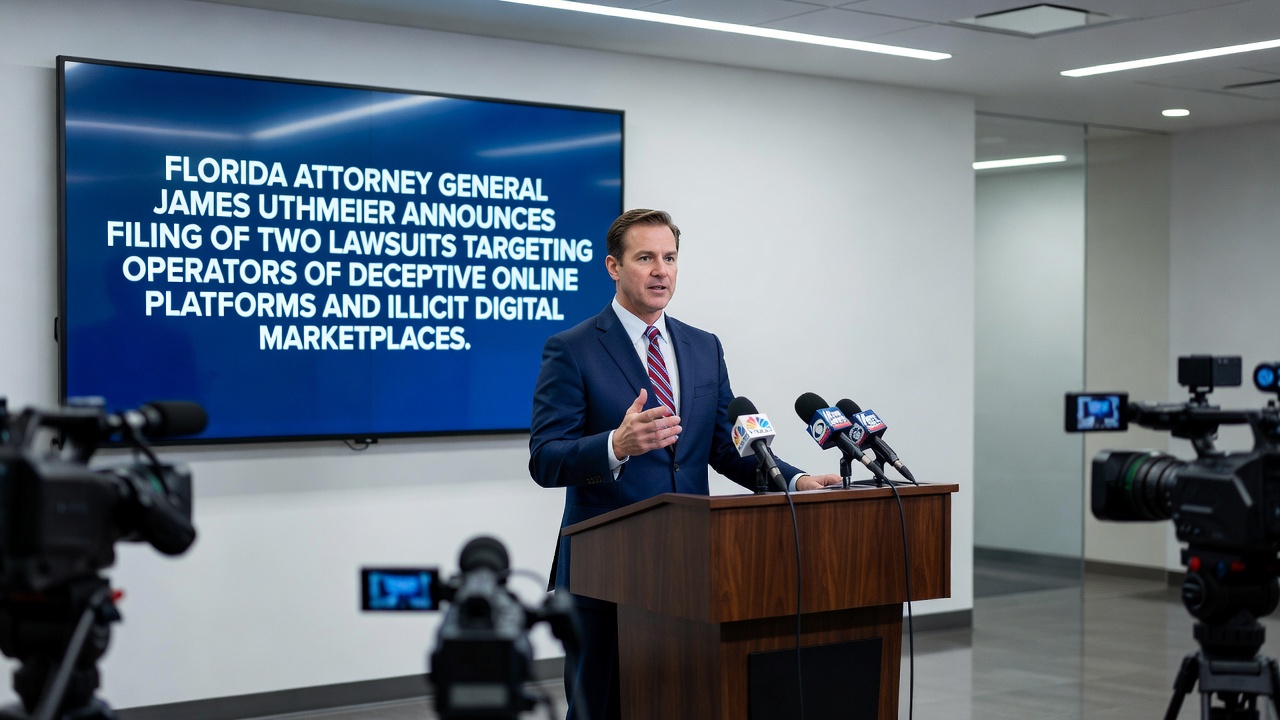
Florida Attorney General James Uthmeier announced the filing of two lawsuits targeting operators of major sweepstakes casinos including Stake, VGW’s Chumba Casino, LuckyLand, and Global Poker along with associated payment processors, and the suits allege these platforms function as illegal online casinos and gambling operations in violation of state law while this enforcement action highlights ongoing regulatory efforts against unregulated sweepstakes-style gaming platforms according to the Attorney General’s office.
Details of the Filed Lawsuits
The complaints name multiple defendants and outline how the platforms operate under a sweepstakes model that allows users to purchase virtual coins for gameplay yet provides pathways to redeem prizes for cash value, and regulators contend this structure effectively creates real-money gambling without required state licensing. Court documents describe the mechanisms in detail and connect the payment processors to the facilitation of deposits and withdrawals that sustain the operations across state lines.
One suit focuses on the primary gaming platforms while the second addresses the financial intermediaries that handle transactions, and together the filings seek injunctions to halt the activities plus civil penalties for each alleged violation. The legal team from the Attorney General’s office compiled evidence from user accounts, transaction records, and promotional materials that demonstrate how the sites market themselves to Florida residents.
Platforms and Payment Processors Named
Stake appears in the complaints as an international operator that offers sweepstakes-based casino games accessible from Florida IP addresses, and VGW’s Chumba Casino along with LuckyLand receive similar scrutiny for their respective coin-purchase and redemption systems. Global Poker rounds out the list because its social poker format incorporates the same sweepstakes mechanics that convert play into potential cash redemptions.
Payment processors tied to these sites face accusations of knowingly supporting illegal gambling transactions, and the filings list specific companies that route funds between players and the platforms. Investigators traced thousands of transactions originating in Florida and documented how the processors enabled the flow of money that kept the sites operational.
State Law Violations Alleged
Florida statutes prohibit unauthorized gambling operations and the lawsuits argue that the sweepstakes model does not qualify for the narrow exceptions carved out for certain charitable or skill-based activities. The complaints cite specific sections of the law that define gambling devices and note that the platforms’ servers accept wagers from in-state users without the oversight required of licensed entities.
Evidence presented includes marketing emails sent to Florida addresses and screenshots of gameplay that show real-money equivalents, and the Attorney General’s team compiled this material over several months before filing. The filings emphasize that the distinction between “sweepstakes” and “gambling” hinges on whether consideration is exchanged for the chance to win something of value, a test the state believes these sites fail.
Broader Regulatory Context
Florida has maintained strict controls on internet gambling and state officials have pursued similar cases in prior years against other offshore operators, yet the current actions target a newer wave of sweepstakes platforms that gained popularity during periods of expanded online activity. The filings reference coordination with other state agencies that monitor consumer protection and financial crime, showing how enforcement spans multiple regulatory bodies.
Observers note that the cases could set precedents for how sweepstakes mechanics are treated under Florida law, and the outcomes may influence enforcement strategies in additional jurisdictions that face comparable platforms. The Attorney General’s office continues to monitor related sites while these lawsuits proceed through the court system.
Conclusion
The two lawsuits filed by Attorney General James Uthmeier represent a direct challenge to the sweepstakes casino sector operating within Florida’s borders, and the proceedings will test the legal boundaries between permissible promotions and unauthorized gambling. Court records indicate that both cases remain active with initial hearings scheduled in the coming months, and the named operators along with their payment processors must respond to the allegations through standard legal channels.