Charting Connections Between Welcome Interfaces, Game Variety, and Secure Transactions in Austrian Digital Gaming Environments
Harper Simon · Sep 26, 2026
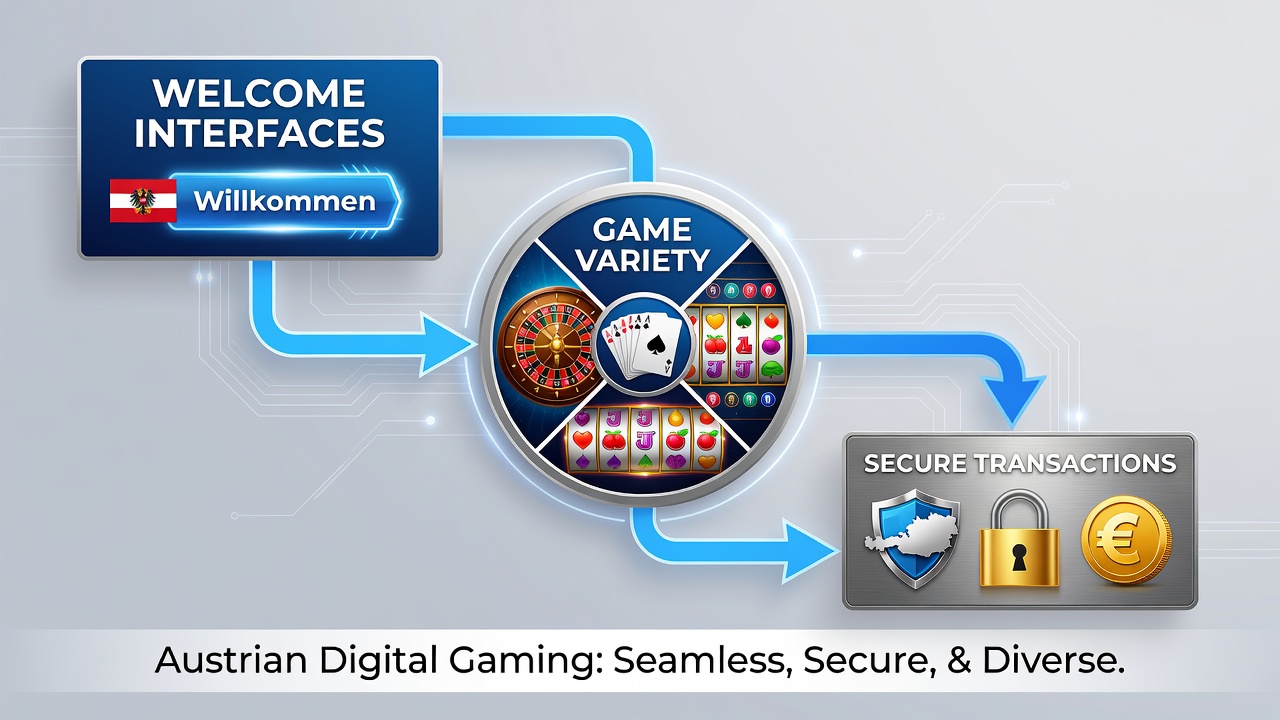
Charting Connections Between Welcome Interfaces, Game Variety, and Secure Transactions in Austrian Digital Gaming Environments
Observers note that Austrian digital gaming environments operate under strict licensing requirements set by national authorities, where welcome interfaces serve as initial contact points that introduce players to regulated game selections while directing them toward verified transaction systems. These interfaces typically feature streamlined registration processes, clear bonus structures, and navigation tools that highlight available titles, all while complying with data protection standards enforced across the European Union. Data from regulatory filings indicate that platforms licensed in Austria must integrate these elements to maintain operational approval, creating pathways that connect user onboarding directly to broader game libraries and payment protocols.
Welcome Interfaces as Structured Entry Mechanisms
Research indicates that welcome interfaces on Austrian platforms often include interactive tutorials and personalized dashboards that guide users through account verification steps before presenting game options. These designs prioritize compliance with age verification and responsible gaming prompts, which appear at multiple stages of the initial experience. Figures from industry reports show that such interfaces reduce entry friction while ensuring players encounter only licensed content, thereby linking the first user interaction to subsequent explorations of slot machines, table games, and live dealer formats available under Austrian jurisdiction.
Those who've examined platform analytics note that effective welcome interfaces employ color-coded sections and progress indicators to highlight secure deposit methods right from the start. This approach directs attention toward transaction options that meet encryption requirements mandated by local laws, preventing exposure to unapproved payment gateways. What's interesting is how these elements align with broader regulatory expectations, where platforms must demonstrate that new users receive transparent information about both game availability and financial safeguards before any activity begins.
Game Variety Within Regulated Boundaries
Austrian digital gaming sites maintain curated selections of games that reflect licensing conditions, typically encompassing hundreds of slots alongside classic table variants and live-streamed dealer sessions. Evidence suggests that this variety expands gradually as platforms update their offerings to match evolving player preferences while adhering to content restrictions outlined in the Austrian Gaming Act. Studies from academic institutions have documented how game libraries on licensed sites balance high-volatility options with lower-risk choices, all presented through interfaces that flag compliance status for each title.
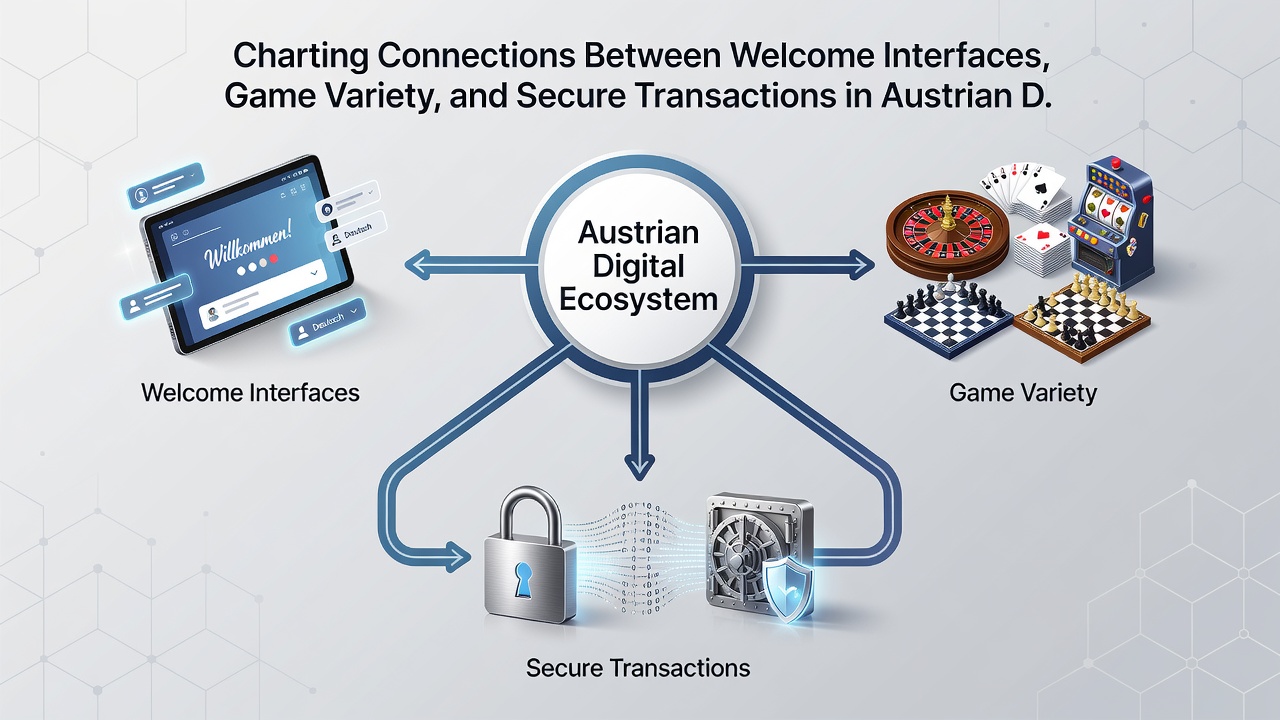
Platforms often categorize games into thematic groups that appear immediately after the welcome sequence, allowing users to transition smoothly from onboarding to active play. According to a University of Vienna analysis on digital entertainment trends, such categorization correlates with increased engagement metrics when paired with real-time transaction confirmations that verify funds before gameplay commences. Observers note that this structure supports both casual and dedicated players by offering progressive access to more complex titles once initial security checks clear.
Secure Transactions as Foundational Infrastructure
Transaction systems in Austrian digital gaming rely on multi-layered encryption and partnerships with approved financial institutions to process deposits and withdrawals. Regulatory records reveal that all licensed operators must undergo periodic audits of their payment infrastructure, ensuring alignment with standards that protect user data across borders. These protocols integrate directly with welcome interfaces through embedded verification modules that activate during account funding, creating a continuous chain from sign-up to game access.
Payment methods available on these platforms range from traditional bank transfers to digital wallets, each subjected to the same licensing scrutiny. Data shows that processing times for withdrawals average between one and three business days on compliant sites, a figure tied to mandatory identity confirmations that occur at the interface level. Experts have observed that robust transaction security not only satisfies legal mandates but also enables platforms to expand game variety without compromising operational integrity.
Interconnections Across Platform Features
The linkage between welcome interfaces, game variety, and secure transactions becomes evident in how platforms sequence user journeys. Initial screens present verified game thumbnails alongside prominent security badges that reassure users about financial protections, encouraging exploration of diverse titles once deposits complete successfully. Research indicates that sites optimizing these connections report higher retention rates, as players move from guided onboarding to varied gameplay supported by reliable payment flows.
Case examples from Austrian operators demonstrate that updates to interface design often coincide with additions to game catalogs and enhancements to transaction encryption. This coordinated development ensures that regulatory compliance remains intact while adapting to technological shifts expected through 2026. Those monitoring the sector point out that such integration reduces user drop-off points, particularly during transitions between account setup and active participation across multiple game types.
Conclusion
Connections among welcome interfaces, game variety, and secure transactions form a cohesive framework that defines Austrian digital gaming operations under current licensing regimes. Platforms that align these components effectively support compliant player experiences while meeting national oversight requirements. Ongoing developments in interface technology and payment security continue to shape how game selections expand within regulated boundaries.